

What are the differences between aramid and other materials in cut resistant gloves?
Jul 31, 2025
Leave a message
Hey there! As a supplier of Aramid Cut Resistant Gloves, I've seen firsthand the differences between aramid and other materials in cut resistant gloves. So, let's dive right in and explore what makes aramid stand out.
1. Understanding the Basics: What is Aramid?
Aramid is a synthetic fiber known for its high strength, heat resistance, and cut - resistant properties. It was first developed in the 1960s and has since become a go - to material in many industries, especially those that require protection against cuts and abrasions. There are different types of aramid fibers, with Kevlar being one of the most well - known.
2. Cut Resistance: The Main Differentiator
When it comes to cut resistant gloves, the level of cut protection is crucial. Aramid gloves offer excellent cut resistance compared to many other materials.
Compared to Leather Gloves
Leather gloves are a classic choice in many industries. They're durable, offer some level of abrasion resistance, and are relatively comfortable. However, in terms of cut resistance, they don't come close to aramid. Leather can be punctured and cut more easily, especially when dealing with sharp, fast - moving objects. Aramid fibers, on the other hand, are woven in a way that distributes the force of a cut over a larger area, reducing the risk of the blade penetrating the glove.
Compared to Cotton Gloves
Cotton gloves are cheap and breathable, making them popular for light - duty tasks. But when it comes to cut protection, they're almost useless. A sharp object can easily cut through cotton, leaving your hands vulnerable. Aramid gloves, with their high - strength fibers, can withstand much more force before being cut.
Compared to Rubber Gloves
Rubber gloves are great for tasks that require protection against chemicals and liquids. However, they are not designed for cut resistance. Rubber can be sliced through with relative ease, especially by sharp blades. Aramid gloves provide a much higher level of security in situations where cuts are a concern.
3. Heat Resistance
Another area where aramid shines is heat resistance.
Aramid vs. Polyester Gloves
Polyester gloves are common in some industries due to their affordability. But they have a low melting point. When exposed to heat, polyester can melt and stick to your skin, causing serious burns. Aramid, on the other hand, has a high melting point and can withstand high temperatures without melting or degrading. This makes aramid gloves ideal for tasks in hot environments, like welding or working near furnaces. You can check out our Heat protection gloves for more information on how aramid can protect against heat.
4. Comfort and Flexibility
Comfort is an important factor when choosing gloves, especially if you have to wear them for long periods.
Aramid vs. Metal Mesh Gloves
Metal mesh gloves offer excellent cut resistance, but they're heavy and inflexible. They can be tiring to wear for extended periods, and the limited flexibility can affect your dexterity. Aramid gloves, on the other hand, are lightweight and flexible. You can perform delicate tasks with ease while still having the necessary cut protection. This makes them a great choice for jobs that require both precision and safety, like working with small parts or in assembly lines.
5. Durability
Aramid gloves are known for their long - lasting nature.
Aramid vs. Nylon Gloves
Nylon gloves are relatively strong and flexible, but they can wear out quickly when exposed to sharp objects or harsh conditions. Aramid gloves, due to the strength of the fibers, can last much longer. They can withstand repeated use and abuse without losing their cut - resistant properties. This means you won't have to replace them as often, saving you money in the long run.
6. Cost - Effectiveness
While aramid gloves may be more expensive upfront compared to some other materials like cotton or nylon, they offer better value for money.

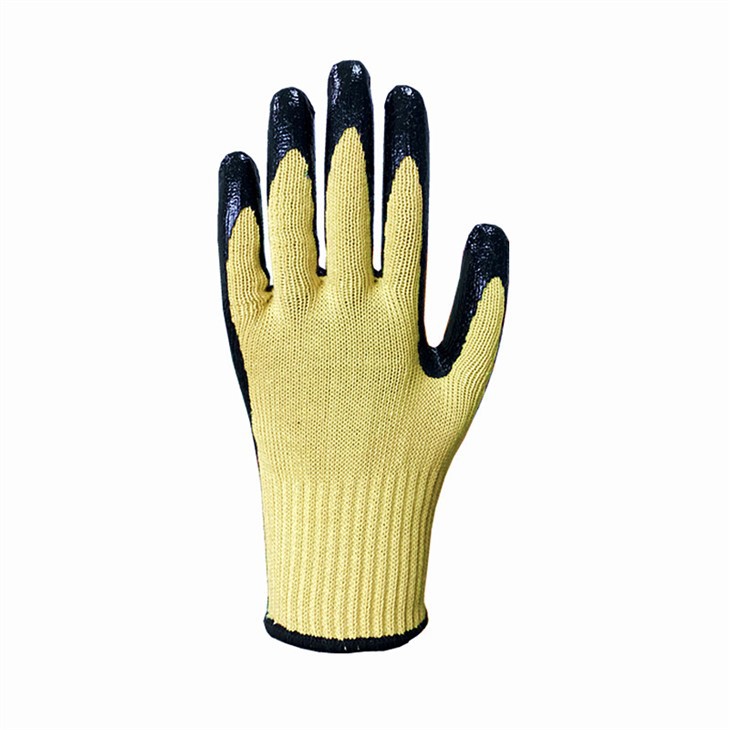
As we've seen, they last longer, provide better protection, and can be used in a wider range of applications. You're getting a glove that not only keeps you safe but also reduces the need for frequent replacements. In industries where safety is paramount, the cost of an aramid glove is a small price to pay for the peace of mind it provides.
7. Different Types of Aramid Cut Resistant Gloves
We offer a variety of aramid cut resistant gloves to suit different needs.
Our Aramid Fiber Cut Resistant Gloves are made from high - quality aramid fibers and provide excellent cut protection. They're suitable for general industrial use, such as handling sharp tools or working with glass.
If you need a more heavy - duty option, our Kevlar Cut Resistant Gloves are a great choice. Kevlar is a type of aramid that is known for its exceptional strength and cut resistance. These gloves are ideal for jobs in high - risk environments, like metalworking or construction.
Conclusion
In conclusion, aramid gloves have a clear edge over many other materials when it comes to cut resistance, heat resistance, comfort, durability, and cost - effectiveness. Whether you're in the manufacturing, construction, or any other industry that requires hand protection, aramid gloves are a smart choice.
If you're interested in purchasing aramid cut resistant gloves for your business or personal use, we'd love to have a chat with you. We can help you find the right gloves for your specific needs and ensure that you get the best value for your money. Just reach out to us, and we'll be happy to assist you in the procurement process.
References
- "Hand Protection: A Guide to Selecting the Right Gloves", Occupational Safety and Health Administration (OSHA)
- "Fiber Materials for Cut - Resistant Gloves", Journal of Industrial Textiles
Send Inquiry