

Can HPPE cut resistant safety gloves be used for printing work?
Nov 05, 2025
Leave a message
When it comes to safety in the workplace, especially in industries with specific risks, choosing the right safety equipment is crucial. One common question that arises, particularly in the printing industry, is whether HPPE cut resistant safety gloves can be used effectively. As a supplier of HPPE Cut Resistant Safety Gloves, I am well - versed in the properties of these gloves and their potential applications in various work environments, including printing.
Understanding HPPE Cut Resistant Safety Gloves
HPPE, or High - Performance Polyethylene, is a synthetic fiber known for its exceptional strength - to - weight ratio. Gloves made from HPPE are designed to resist cuts, abrasions, and punctures. They are often rated according to international standards such as ANSI (American National Standards Institute) cut levels, which range from A1 (lowest cut resistance) to A9 (highest cut resistance).
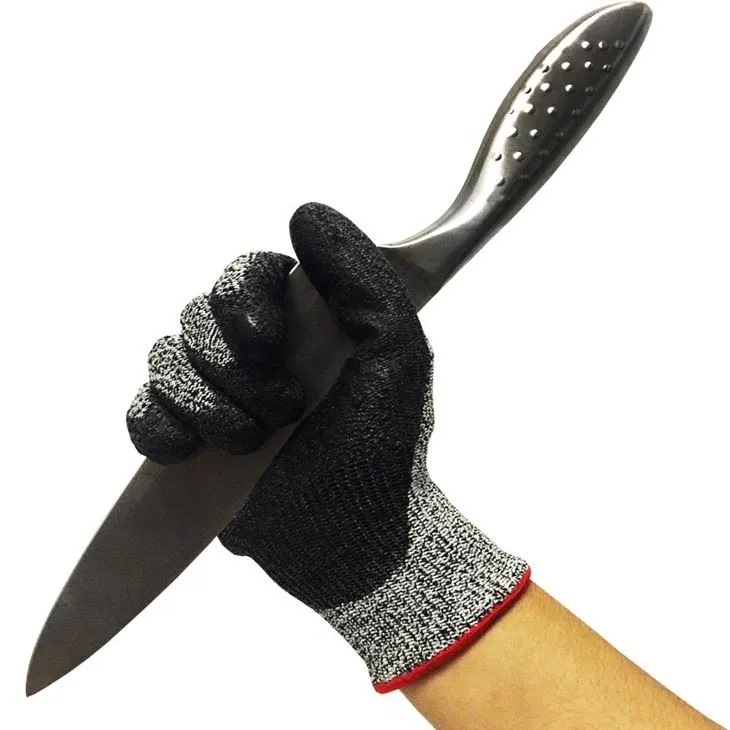
The structure of HPPE cut resistant gloves typically consists of a knitted or woven HPPE base layer. This base layer provides the core cut - resistant property. Some gloves may also have additional coatings or treatments on the surface to enhance other features such as grip, water resistance, or chemical resistance. For example, Anti Slash Gloves have a black PU coating which not only increases the cut resistance but also provides a good grip, making them suitable for handling sharp objects.
Printing Work Requirements
Printing work involves a variety of tasks, each with its own set of safety risks. In a printing shop, workers may handle sharp tools such as paper cutters, knives for trimming, and metal parts of printing machines. There is also a risk of contact with inks, solvents, and other chemicals used in the printing process. Additionally, workers need to be able to handle paper and other materials with precision, which requires a good grip.
Suitability of HPPE Cut Resistant Gloves for Printing Work
Cut Protection
One of the primary advantages of using HPPE cut resistant gloves in printing work is the obvious cut protection. The sharp edges of paper cutters and knives used for trimming can cause serious injuries. HPPE gloves with appropriate cut levels can significantly reduce the risk of cuts. For instance, if a worker is using a high - speed paper cutter, an HPPE glove with a high ANSI cut level (such as A4 or higher) can provide reliable protection against accidental cuts.
Grip
Good grip is essential in printing work, especially when handling paper and other materials. Many HPPE cut resistant gloves come with coatings that enhance grip. Latex dipped work gloves are a great example. The latex coating on these gloves provides an excellent grip on smooth surfaces like paper, allowing workers to handle materials accurately without dropping them.

Chemical Resistance
Inks and solvents used in printing can be harmful to the skin. While HPPE itself is not highly resistant to all chemicals, some HPPE cut resistant gloves can be treated or coated to provide a certain level of chemical resistance. However, it's important to note that for highly corrosive or toxic chemicals, additional protective measures may be required.
Dexterity
Printing work often requires fine motor skills, such as adjusting settings on printing machines or handling small parts. HPPE cut resistant gloves are designed to be relatively thin and flexible, allowing for a good level of dexterity. This means that workers can perform tasks with precision while still being protected.
Limitations of HPPE Cut Resistant Gloves in Printing Work
Heat Resistance
Some printing processes, such as heat - setting inks or using hot presses, generate high temperatures. HPPE gloves generally have limited heat resistance. If workers are exposed to high - heat sources, they may need to use additional heat - resistant gloves over the HPPE cut resistant gloves or choose gloves specifically designed for high - temperature environments.
Long - term Chemical Exposure
Although some HPPE gloves can offer some level of chemical resistance, they may not be suitable for long - term exposure to certain inks and solvents. Prolonged contact with chemicals can degrade the glove material over time, reducing its cut resistance and other protective properties.
Other Considerations
When choosing HPPE cut resistant gloves for printing work, it's important to consider the fit of the gloves. Ill - fitting gloves can reduce dexterity and increase the risk of accidents. Workers should also be trained on the proper use and maintenance of the gloves. This includes regular inspection for signs of wear and tear, proper cleaning, and replacement when necessary.
Comparison with Other Types of Gloves
In addition to HPPE cut resistant gloves, there are other types of gloves that are commonly used in the printing industry. For example, Anti Impact Mechanics Gloves are designed to protect against impacts, which may be relevant if workers are handling heavy printing machine parts. However, these gloves may not offer the same level of cut resistance as HPPE gloves.
Latex gloves are often used for their chemical resistance, but they do not provide significant cut protection. By contrast, HPPE cut resistant gloves can offer a combination of cut protection and some level of chemical resistance, making them a more versatile option for many printing tasks.
Conclusion
In conclusion, HPPE cut resistant safety gloves can be a valuable addition to the safety equipment in a printing workplace. They offer excellent cut protection, good grip, and a reasonable level of dexterity, which are all important factors in printing work. However, it's important to be aware of their limitations, such as limited heat resistance and long - term chemical exposure. By carefully considering the specific requirements of the printing tasks and choosing the appropriate HPPE gloves, employers can ensure the safety and well - being of their workers.
If you are in the printing industry and are looking for high - quality HPPE Cut Resistant Safety Gloves, we are here to help. Our range of gloves is designed to meet the diverse needs of the printing workplace. Contact us to discuss your specific requirements and explore how our gloves can enhance safety in your printing operations.
References
- American National Standards Institute (ANSI) standards for cut - resistant gloves.
- Technical literature on HPPE materials and their properties.
- Industry reports on safety in the printing industry.
Send Inquiry