

Do heat and cut resistant gloves have a lining?
Oct 22, 2025
Leave a message
Do heat and cut resistant gloves have a lining? This is a question that often comes up when people are looking for high - performance protective gloves. As a supplier of Heat And Cut Resistant Gloves, I'd like to delve into this topic in detail.
The Function and Structure of Heat and Cut Resistant Gloves
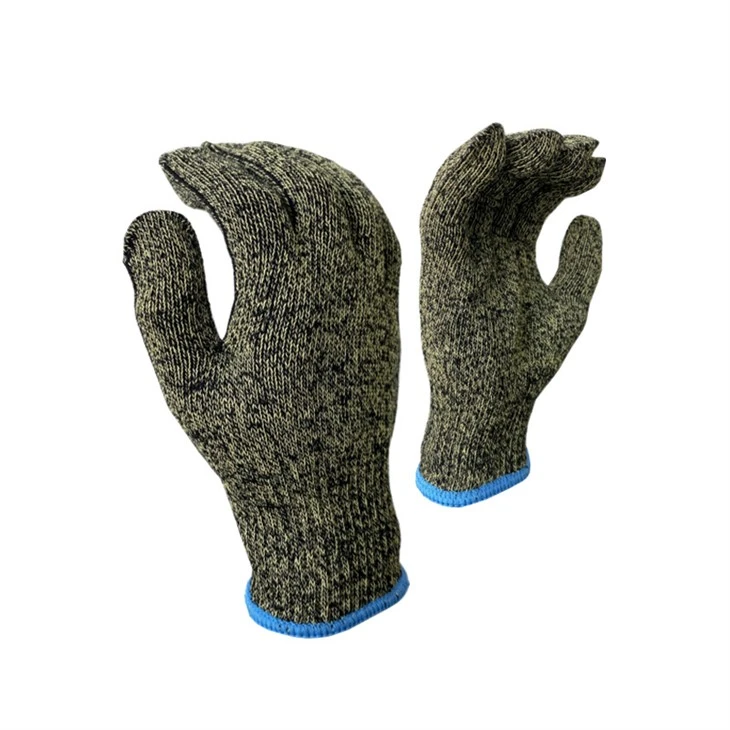
Heat and cut resistant gloves are designed to protect the hands from two major hazards: extreme heat and sharp objects. The outer layer of these gloves is usually made of materials that can withstand high temperatures and resist cuts. For example, materials like Kevlar are commonly used due to their excellent cut - resistant properties. You can learn more about Kevlar gloves cut resistant. Kevlar is a synthetic fiber that has high tensile strength and can effectively prevent cuts from knives, glass, and other sharp items. In addition to Kevlar, other materials such as stainless steel mesh may also be incorporated into the outer layer to enhance cut resistance.
When it comes to heat resistance, materials like aluminized fabrics or special heat - resistant polymers are used. These materials can reflect heat and insulate the hands from high - temperature sources, such as molten metal, fire, or hot machinery.
The Role of Linings in Heat and Cut Resistant Gloves
Many heat and cut resistant gloves do have linings, and these linings serve several important functions.
Comfort
One of the primary reasons for having a lining is to improve the comfort of the gloves. The outer layers of heat and cut resistant gloves are often made of tough, rigid materials that may not be very soft against the skin. A lining made of a soft, breathable material can provide a more comfortable fit. For example, a cotton or synthetic fleece lining can feel gentle on the hands, reducing irritation and chafing during long - term use. This is especially important for workers who need to wear these gloves for extended periods, such as those in the manufacturing, construction, or firefighting industries.
Moisture Management
Linings can also help with moisture management. When wearing gloves for work, the hands tend to sweat, especially in hot environments. A lining with moisture - wicking properties can draw sweat away from the skin, keeping the hands dry. This not only enhances comfort but also helps prevent the growth of bacteria and fungi, which can cause unpleasant odors and skin problems. Some advanced linings are designed to be quick - drying, ensuring that the gloves remain in good condition even after repeated use.
Additional Insulation
In some cases, the lining can provide additional insulation. For heat - resistant gloves, an extra layer of insulation can further protect the hands from extreme temperatures. For example, a thick wool or synthetic insulation lining can be used in gloves designed for use in very cold environments where there is also a risk of cuts, such as in the cold storage or ice - handling industries. On the other hand, in high - temperature applications, a lining made of a heat - resistant fiber can add an extra barrier between the hand and the heat source.
Types of Linings Used in Heat and Cut Resistant Gloves
Cotton Linings
Cotton is a popular choice for glove linings due to its softness and breathability. It is a natural fiber that is gentle on the skin and can absorb a certain amount of moisture. Cotton linings are commonly used in general - purpose heat and cut resistant gloves, providing a comfortable and cost - effective option. However, cotton may not be the best choice for very wet or high - heat environments, as it can retain moisture and may not have sufficient heat resistance on its own.
Synthetic Fleece Linings
Synthetic fleece linings are known for their warmth and softness. They are lightweight and can provide good insulation without adding too much bulk to the gloves. Fleece linings also have good moisture - wicking properties, making them suitable for a variety of working conditions. They are often used in Heavy duty gloves where both comfort and protection are required.
Wool Linings
Wool is a natural fiber that has excellent insulation properties. It can keep the hands warm in cold environments and also has some moisture - wicking abilities. Wool linings are commonly used in gloves for outdoor work in cold weather, such as in the logging or winter construction industries. However, wool may cause allergic reactions in some people, and it can be more expensive than other lining materials.
Heat - Resistant Fiber Linings
For gloves used in extremely high - temperature applications, heat - resistant fiber linings are used. These fibers, such as Nomex or fiberglass, can withstand very high temperatures without melting or catching fire. They provide an additional layer of protection against heat, making the gloves suitable for use in industries like foundries, glass manufacturing, and firefighting. You can find more information about Fire Proof And Cut Resistant Gloves.
Considerations When Choosing Gloves with Linings
When selecting heat and cut resistant gloves with linings, there are several factors to consider.
Working Environment
The nature of the working environment is the most important factor. If the work involves exposure to high temperatures, a glove with a heat - resistant lining is essential. In a cold environment, a lining that provides good insulation is needed. For wet or humid conditions, a moisture - wicking lining is preferable.
Task Requirements
The type of tasks being performed also affects the choice of gloves. If the work requires a high level of dexterity, a thinner lining may be more appropriate to ensure better hand movement. On the other hand, if the work involves heavy - duty handling and a high risk of cuts, a thicker, more protective lining may be needed.

Comfort
Comfort should not be overlooked. Gloves that are uncomfortable to wear are likely to be removed or not worn properly, which defeats the purpose of protection. Trying on different gloves with various linings to find the most comfortable option is recommended.
Conclusion
In conclusion, many heat and cut resistant gloves do have linings, and these linings play a crucial role in enhancing the comfort, functionality, and protection of the gloves. Whether it's for moisture management, additional insulation, or simply to make the gloves more comfortable to wear, the lining is an important part of the overall design.
As a supplier of Heat And Cut Resistant Gloves, we offer a wide range of gloves with different linings to meet the diverse needs of our customers. If you are in the market for high - quality heat and cut resistant gloves, we invite you to contact us for more information and to discuss your specific requirements. Our team of experts is ready to assist you in finding the perfect gloves for your work environment.
References
- ASTM International. (20XX). Standards for protective gloves.
- Occupational Safety and Health Administration (OSHA). (20XX). Guidelines for hand protection in the workplace.
Send Inquiry