

How do Aramid Fire Retardant Gloves compare to leather fire - retardant gloves?
Oct 22, 2025
Leave a message
Hey there! As a supplier of Aramid Fire Retardant Gloves, I often get asked how these gloves stack up against leather fire - retardant gloves. So, I thought I'd dive deep into this topic and share some insights.
Let's start by talking about the materials. Aramid is a synthetic fiber known for its high strength and heat resistance. It's the same material used in bullet - proof vests and aerospace applications. On the other hand, leather has been a traditional choice for protective gloves for ages. It's made from animal hides and has its own set of properties.
Heat Resistance
When it comes to heat resistance, aramid gloves are pretty impressive. They can withstand extremely high temperatures without melting or dripping. This is because aramid fibers have a high melting point and excellent thermal stability. For example, in a welding environment where sparks and high - heat sources are present, aramid gloves can provide reliable protection.
Leather fire - retardant gloves also offer good heat resistance. However, they may not be as effective as aramid gloves in extreme heat conditions. Leather can char and lose its integrity over time when exposed to very high temperatures. Plus, the thickness and type of leather can greatly affect its heat - resistant capabilities. A thinner leather glove might not offer the same level of protection as a thicker one.
Durability
Aramid gloves are known for their durability. The aramid fibers are strong and resistant to abrasion. They can handle rough handling and repeated use without wearing out quickly. This makes them a great choice for industries where workers are constantly using their hands for tasks that involve friction and wear, like construction or manufacturing.
Leather gloves, too, can be quite durable. But they require more maintenance. Leather can dry out, crack, and lose its flexibility over time, especially if not properly cared for. You need to regularly condition leather gloves to keep them in good shape. In comparison, aramid gloves are relatively low - maintenance. You don't have to worry about conditioning them, and they're less likely to be damaged by normal wear and tear.
Comfort
Comfort is a crucial factor when it comes to gloves. Aramid gloves are often lightweight and flexible. They allow for a wide range of hand movements, which is important for tasks that require dexterity. The knitted liners in some aramid gloves, like the Split Leather Palm Aramid Knit Liner Cut Resistant Glove, provide a snug fit without restricting movement.
Leather gloves can be comfortable, but they can also be stiff, especially when new. It takes some time for leather gloves to break in and mold to the shape of your hand. Also, leather gloves can be heavier than aramid gloves, which might be a drawback for tasks that require long - term use.
Cut Resistance
Aramid gloves are well - known for their cut resistance. The aramid fibers are strong enough to withstand sharp objects, making them ideal for industries where workers are at risk of cuts, such as metalworking or glass handling.
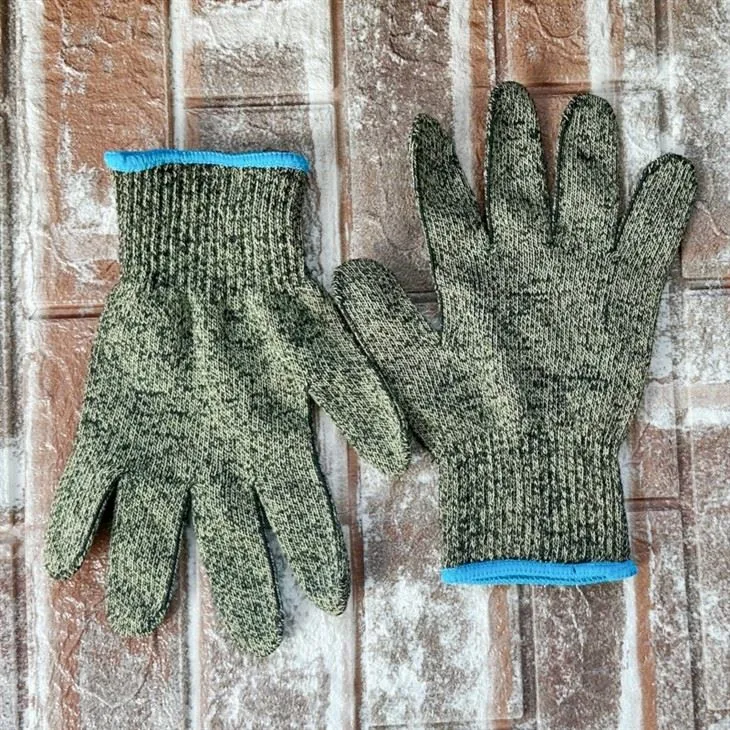

Leather gloves do offer some level of cut resistance, but it's generally not as high as that of aramid gloves. The cut - resistant properties of leather depend on the type and thickness of the leather. Some leather gloves may need additional reinforcements to provide adequate cut protection.
Cost
Cost is always a consideration for businesses. Aramid gloves can be more expensive upfront compared to leather fire - retardant gloves. However, when you factor in their durability and long - term performance, they can actually be a more cost - effective option. Since aramid gloves last longer and require less maintenance, you won't have to replace them as often.
Leather gloves are usually more affordable initially. But if you consider the cost of maintenance and replacement due to wear and tear, the overall cost can add up over time.
Applications
Aramid gloves are suitable for a wide range of applications. They're commonly used in industries such as firefighting, welding, electrical work, and manufacturing. Their heat, cut, and abrasion resistance make them a versatile choice for many high - risk jobs. Check out our Aramid Fire Retardant Gloves for more information on the specific applications they're suitable for.
Leather fire - retardant gloves are also used in various industries. They're often seen in construction, automotive, and some light industrial applications. However, their limitations in extreme heat and cut resistance mean they might not be the best choice for more demanding jobs.
Conclusion
In conclusion, both aramid fire - retardant gloves and leather fire - retardant gloves have their own advantages and disadvantages. Aramid gloves offer superior heat resistance, durability, cut resistance, and comfort in many cases. They're a great choice for high - risk and demanding applications. Leather gloves, on the other hand, are more traditional, more affordable upfront, and can be suitable for less extreme tasks.
If you're looking for high - performance gloves that can handle tough conditions, aramid gloves are definitely worth considering. We offer a wide range of Heavy duty gloves that are designed to meet the needs of different industries.
If you're interested in learning more about our aramid fire - retardant gloves or have any questions about which type of glove is right for your business, feel free to reach out. We're here to help you make the best choice for your safety and productivity.
References
- Smith, J. (2020). Protective Gloves in Industrial Applications. Industrial Safety Journal.
- Brown, A. (2019). Comparing Synthetic and Leather Protective Gear. Safety Research Review.
Send Inquiry