

How often should I replace cut resistant gloves?
Dec 05, 2025
Leave a message
Cut resistant gloves are essential safety equipment in various industries, including manufacturing, construction, food processing, and healthcare. They protect workers from cuts, lacerations, and abrasions, reducing the risk of serious injuries and lost work time. However, like all safety equipment, cut resistant gloves have a limited lifespan and need to be replaced periodically. In this blog post, I'll discuss how often you should replace cut resistant gloves and factors that affect their durability. As a cut resistant glove supplier, I've seen firsthand the importance of proper glove maintenance and replacement, and I'm excited to share my insights with you.
Factors Affecting the Lifespan of Cut Resistant Gloves
The lifespan of cut resistant gloves depends on several factors, including the type of glove, the frequency of use, the intensity of the work, and the environment in which they are used. Here are some key factors to consider:
1. Glove Material
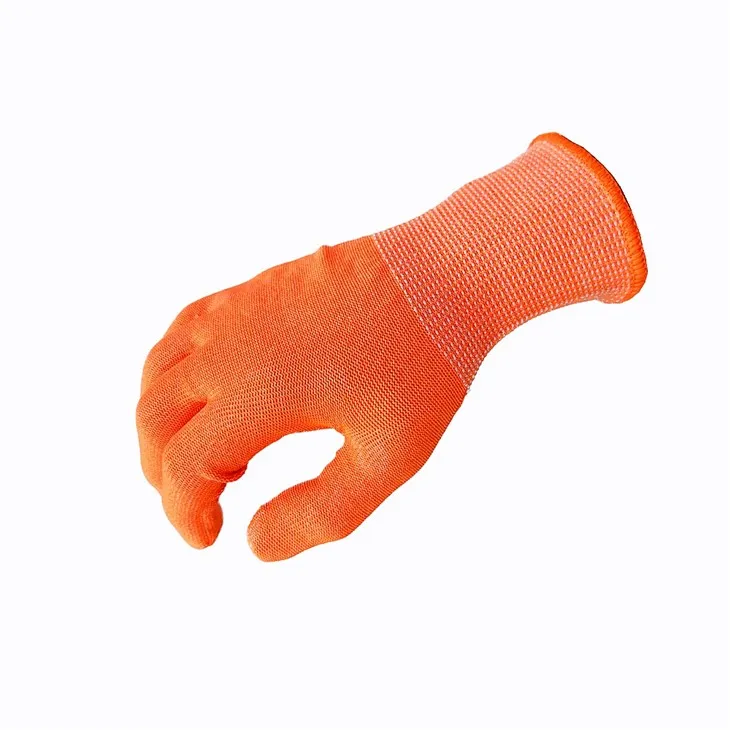
The material of the cut resistant glove plays a significant role in determining its lifespan. Different materials have different levels of cut resistance, durability, and chemical resistance. For example, gloves made from high-performance polyethylene (HPPE) fibers are known for their excellent cut resistance and durability, making them suitable for heavy-duty applications. On the other hand, gloves made from natural rubber or latex may have lower cut resistance and may degrade more quickly when exposed to certain chemicals or environmental conditions.

2. Frequency of Use
The more frequently you use cut resistant gloves, the faster they will wear out. If you use gloves on a daily basis for extended periods, they will likely need to be replaced more often than gloves that are used occasionally. For example, a worker in a manufacturing plant who uses cut resistant gloves for 8 hours a day, 5 days a week, will need to replace their gloves more frequently than a worker who only uses gloves for a few hours a week.
3. Intensity of Work
The intensity of the work also affects the lifespan of cut resistant gloves. Jobs that involve heavy cutting, slicing, or handling of sharp objects will put more stress on the gloves, causing them to wear out more quickly. For example, a butcher who uses a sharp knife to cut meat all day will need to replace their gloves more often than a worker who only uses gloves to handle relatively blunt objects.
4. Environment
The environment in which the gloves are used can also impact their lifespan. Gloves used in harsh environments, such as those exposed to chemicals, heat, moisture, or abrasive materials, may degrade more quickly than gloves used in clean, dry environments. For example, gloves used in a chemical processing plant may need to be replaced more often due to the potential for chemical damage.
General Guidelines for Replacing Cut Resistant Gloves
While the lifespan of cut resistant gloves can vary depending on the factors mentioned above, here are some general guidelines to help you determine when it's time to replace your gloves:
1. Visual Inspection
Regularly inspect your cut resistant gloves for signs of wear and tear. Look for holes, tears, fraying, or thinning of the material. If you notice any of these signs, it's time to replace the gloves. Even small holes or tears can compromise the cut resistance of the gloves, putting you at risk of injury.
2. Loss of Cut Resistance
Over time, the cut resistance of gloves can decrease due to wear and tear. If you notice that the gloves are no longer providing the same level of protection as they did when they were new, it's a good indication that they need to be replaced. You can test the cut resistance of gloves using a cut resistance tester, which measures the force required to cut through the glove material.
3. Comfort and Fit
As gloves wear out, they may become less comfortable and may not fit as well as they did when they were new. If you find that the gloves are too tight, too loose, or causing discomfort, it's time to replace them. Ill-fitting gloves can reduce dexterity and increase the risk of accidents.
4. Manufacturer's Recommendations
Always follow the manufacturer's recommendations for glove replacement. Manufacturers typically provide guidelines on the expected lifespan of their gloves based on the type of material, intended use, and other factors. These recommendations can be a valuable resource for determining when to replace your gloves.
Specific Recommendations for Different Types of Cut Resistant Gloves
Here are some specific recommendations for replacing different types of cut resistant gloves:
1. Micro Foam Nitrile Coated Gloves
Micro foam nitrile coated gloves are commonly used in industries such as automotive, manufacturing, and logistics. These gloves offer good cut resistance, grip, and dexterity. Depending on the frequency of use and the intensity of the work, micro foam nitrile coated gloves should be replaced every 1 - 2 weeks for heavy use or every 2 - 4 weeks for light use.
2. Touchscreen PU Coated Cut Resistant Glove
Touchscreen PU coated cut resistant gloves are designed for use in industries where workers need to use touchscreens while wearing gloves. These gloves offer a combination of cut resistance and touchscreen compatibility. Due to the additional functionality and the potential for wear on the touchscreen coating, these gloves should be replaced every 2 - 3 weeks for heavy use or every 4 - 6 weeks for light use.
3. Cut Resistant Gloves for Mandoline
Cut resistant gloves for mandoline are used in the food industry, particularly in kitchens where mandolines are used to slice vegetables. These gloves are typically made from HPPE fibers and offer excellent cut resistance. Depending on the frequency of use, these gloves should be replaced every 1 - 2 months for heavy use or every 2 - 3 months for light use.
Importance of Regular Glove Replacement
Regularly replacing cut resistant gloves is crucial for maintaining worker safety and preventing injuries. Worn-out gloves may not provide the same level of protection as new gloves, increasing the risk of cuts, lacerations, and other injuries. In addition, replacing gloves on a regular basis can improve worker comfort and productivity, as well-fitting gloves are more comfortable to wear and can enhance dexterity.
Conclusion
In conclusion, the frequency of replacing cut resistant gloves depends on several factors, including the type of glove, the frequency of use, the intensity of the work, and the environment in which they are used. By following the general guidelines and specific recommendations outlined in this blog post, you can ensure that your workers are using gloves that provide the necessary level of protection.
If you're in the market for high-quality cut resistant gloves or have any questions about glove replacement, I encourage you to [contact us for a purchase negotiation]. Our team of experts is here to help you find the right gloves for your needs and to provide you with the support and guidance you need to keep your workers safe.
References
- American National Standards Institute (ANSI). (2016). ANSI/ISEA 105-2016: Cut Resistance Standard for Hand Protection.
- Occupational Safety and Health Administration (OSHA). (n.d.). Hand Protection. Retrieved from https://www.osha.gov/topics/handprotection
- Glove manufacturers' product manuals and guidelines.
Send Inquiry