

What are the disadvantages of stainless steel gloves?
Oct 23, 2025
Leave a message
Hey there! As a supplier of stainless steel gloves, I know these gloves are pretty popular for their cut - resistance and durability. But like anything, they've got their downsides. Let's dig into what those disadvantages are.
1. Comfort Issues
First off, stainless steel gloves can be a real pain in the neck... well, more like the hands. They're not the comfiest things to wear. The rigid nature of stainless steel means they don't conform to the natural shape of your hands as well as some other glove materials. For example, when you're trying to make a tight fist or do delicate finger movements, the gloves can feel restrictive.
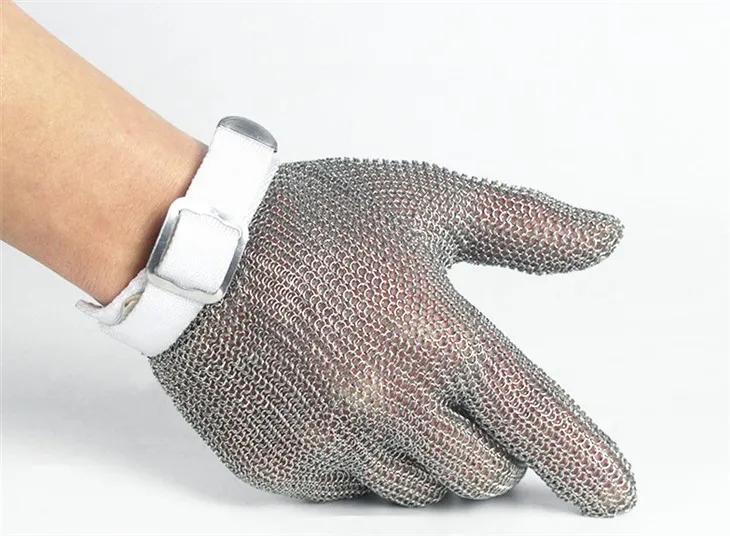

Imagine you're a chef using Steel Gloves for Cutting. You need to be able to handle small ingredients precisely, like mincing garlic or slicing a thin piece of cheese. With stainless steel gloves on, it's a lot harder to get that fine - tuned control. Your fingers can't bend as freely as they would without the gloves, and that can slow down your work and even affect the quality of your cuts.
Another comfort - related problem is breathability. Stainless steel doesn't allow air to circulate well around your hands. This means that your hands can get really sweaty inside the gloves. Sweaty hands not only feel uncomfortable but can also lead to other issues. For instance, the moisture can cause skin irritation over time. If you're wearing the gloves for long periods, say in a factory setting where you're doing repetitive cutting tasks, your hands might start to itch and become red. And let's not forget the smell that can build up from the sweat trapped inside the gloves.
2. Weight
Stainless steel gloves are heavier compared to many other types of gloves. This extra weight can be a real drawback, especially if you have to wear the gloves for extended periods. Think about a butcher using Stainless steel cut resistant gloves all day long. Every time they lift a knife to make a cut, they're also lifting the weight of the gloves. This can put a lot of strain on the muscles in the hands, wrists, and arms.
Over time, the constant strain from the weight of the gloves can lead to fatigue and even long - term injuries. Carpal tunnel syndrome is a common problem that can develop from repetitive movements and added stress on the wrists. The extra weight makes it harder for the hands to perform tasks efficiently, and workers may find themselves getting tired much quicker than they would without the heavy gloves.
Even for short - term use, the weight can be a nuisance. If you're doing a quick DIY project at home and you put on stainless steel gloves, you might notice that your movements feel a bit clumsy because of the added heft. It's not as easy to move your hands around freely, and that can make the task more difficult than it needs to be.
3. Cost
Stainless steel gloves are generally more expensive than other types of cut - resistant gloves. The cost of the raw materials, the manufacturing process, and the technology involved in making them cut - resistant all contribute to the higher price tag. For small businesses or individuals on a tight budget, this can be a major deterrent.
Let's say you're a small workshop owner. You have a few employees who need cut - resistant gloves for their work. If you choose stainless steel gloves, you're going to have to spend a significant amount of money upfront. This money could be used for other important things in the business, like buying new tools or upgrading equipment.
And it's not just the initial purchase cost. Stainless steel gloves also require maintenance. They need to be cleaned regularly to prevent rust and damage. If they do get damaged, the cost of repair or replacement can be high. In contrast, some other types of cut - resistant gloves, like those made from synthetic materials, are often cheaper to buy and easier to maintain.
4. Limited Flexibility
As I mentioned earlier, stainless steel gloves lack flexibility. This limited flexibility can be a real problem in situations where you need to perform a wide range of hand movements. For example, in some industries like electronics manufacturing, workers need to be able to pick up tiny components and assemble them with precision. Steel mesh cutting gloves are just too rigid for these types of delicate tasks.
The lack of flexibility also means that the gloves may not fit all hand sizes and shapes perfectly. Some people may find that the gloves are too tight in some areas and too loose in others. A poor fit not only affects comfort but also the effectiveness of the gloves. If the gloves are too loose, they may slip off during use, leaving the hands unprotected. If they're too tight, they can restrict blood circulation, which can be dangerous in the long run.
5. Noise
Stainless steel gloves can be quite noisy. When you move your hands around, the metal mesh of the gloves rubs against itself, creating a rattling or clinking sound. In a quiet work environment, like a laboratory or a high - end restaurant kitchen, this noise can be a real distraction.
Imagine you're in a laboratory where precision and concentration are key. The constant noise from the stainless steel gloves can make it difficult to focus on the task at hand. It can also be a nuisance to colleagues working nearby. In a restaurant kitchen, the noise can disrupt the calm and efficient atmosphere that chefs strive for.
6. Vulnerability to Rust and Corrosion
Although stainless steel is known for its resistance to rust, it's not completely immune. If the gloves are exposed to certain chemicals or harsh environments, they can start to rust. For example, in a marine environment where there's a lot of saltwater, the salt can corrode the stainless steel over time.
Once the gloves start to rust, their effectiveness is compromised. The rust can weaken the structure of the gloves, making them less cut - resistant. And of course, rusty gloves look unappealing and can also cause skin irritation. Cleaning and maintaining the gloves to prevent rust can be a hassle, especially if you're using them in a challenging environment.
Conclusion
So, there you have it - the disadvantages of stainless steel gloves. Despite these drawbacks, they still have their place in many industries where cut - resistance is crucial. If you're in the market for cut - resistant gloves and are considering stainless steel, it's important to weigh these disadvantages against the benefits.
If you're interested in learning more about our stainless steel gloves or want to discuss a potential purchase, feel free to reach out. We're here to help you make the best decision for your needs.
References
- Occupational Safety and Health Administration (OSHA) guidelines on hand protection.
- Industry reports on the use and performance of cut - resistant gloves.
Send Inquiry