

What is the difference between Aramid Fiber Cut Resistant Gloves and neoprene cut - resistant gloves?
Oct 29, 2025
Leave a message
In the realm of personal protective equipment, cut-resistant gloves play a crucial role in safeguarding workers from potential injuries in various industries. Among the numerous types of cut-resistant gloves available on the market, Aramid Fiber Cut Resistant Gloves and neoprene cut-resistant gloves stand out as two popular choices. As a supplier of Aramid Fiber Cut Resistant Gloves, I am well - versed in the characteristics of both types of gloves and am eager to share the differences between them.
Material Composition
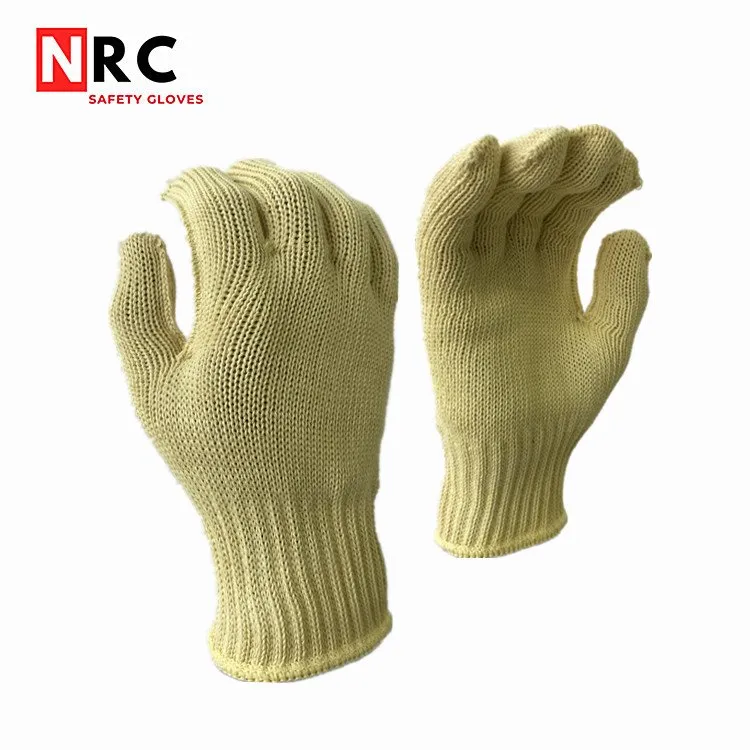
Aramid fibers are synthetic fibers known for their high strength and heat resistance. They are often used in applications where protection against cuts, abrasions, and heat is required. Aramid Fiber Cut Resistant Gloves are typically made from aramid yarns, which are woven or knitted to form the base structure of the glove. The most well - known aramid fiber is Kevlar, a brand of aramid fiber developed by DuPont. Kevlar Cut Resistant Gloves offer excellent cut resistance due to the inherent strength of the aramid fibers.

On the other hand, neoprene is a synthetic rubber material. Neoprene cut-resistant gloves are made by combining neoprene with other materials to enhance cut resistance. Neoprene itself is known for its flexibility, water resistance, and chemical resistance. However, its cut resistance is not as high as that of aramid fibers on its own. To improve cut resistance, neoprene gloves may be reinforced with other cut - resistant materials such as steel mesh or fiberglass.
Cut Resistance Performance
Aramid Fiber Cut Resistant Gloves are renowned for their superior cut resistance. The aramid fibers have a high tensile strength, which allows them to withstand sharp objects and prevent cuts. These gloves are often rated according to international cut - resistance standards such as the ANSI/ISEA 105 standard. Higher ratings indicate better cut resistance. Aramid Fiber Cut Resistant Gloves can achieve high cut - resistance levels, making them suitable for industries where workers are exposed to sharp tools, glass, or metal edges, such as the manufacturing, construction, and recycling industries.
Neoprene cut-resistant gloves, while offering some level of cut protection, generally have lower cut - resistance ratings compared to aramid fiber gloves. The cut resistance of neoprene gloves depends on the type and amount of reinforcement used. In applications where the risk of cuts is relatively low, neoprene gloves can provide adequate protection. For example, in light - duty tasks such as handling small parts or working in a laboratory environment, neoprene cut-resistant gloves may be sufficient.
Comfort and Dexterity
Comfort is an important factor when choosing cut-resistant gloves, as workers need to be able to perform their tasks without feeling restricted. Aramid Fiber Cut Resistant Gloves are often designed to be lightweight and flexible. The knitted or woven aramid yarns allow for a good range of motion, enabling workers to handle objects with precision. Some aramid fiber gloves are also coated with materials such as nitrile to improve grip and durability. Nitrile Coated Aramid Safety Work Glove combines the cut resistance of aramid fibers with the enhanced grip and comfort provided by the nitrile coating.
Neoprene cut-resistant gloves are known for their excellent flexibility and comfort. The neoprene material conforms to the shape of the hand, providing a snug fit. This makes them suitable for tasks that require a high degree of dexterity, such as assembly work or electronics manufacturing. However, in some cases, the added reinforcement materials in neoprene gloves may reduce their flexibility slightly.
Chemical and Environmental Resistance
Aramid Fiber Cut Resistant Gloves have good resistance to many chemicals, including oils, greases, and solvents. However, they may not be suitable for use in highly corrosive environments. Prolonged exposure to strong acids or alkalis can damage the aramid fibers and reduce their cut - resistance performance.
Neoprene cut-resistant gloves, on the other hand, have excellent chemical resistance. Neoprene is resistant to a wide range of chemicals, including oils, acids, and bases. This makes them a good choice for industries where workers are exposed to chemicals, such as the chemical processing and automotive industries. Additionally, neoprene gloves are waterproof, which makes them suitable for use in wet environments.
Durability
Aramid Fiber Cut Resistant Gloves are highly durable due to the strength of the aramid fibers. They can withstand repeated use and abrasion without losing their cut - resistance properties. However, the durability of aramid fiber gloves can be affected by factors such as the quality of the yarn, the manufacturing process, and the type of coating used.
Neoprene cut-resistant gloves also have good durability, especially when it comes to resistance to wear and tear. The neoprene material is tough and can withstand repeated bending and stretching. However, the reinforcement materials in neoprene gloves may be more prone to damage over time, which can affect their cut - resistance performance.
Cost
In general, Aramid Fiber Cut Resistant Gloves tend to be more expensive than neoprene cut-resistant gloves. The cost of aramid fiber gloves is mainly due to the high - cost of the aramid fibers and the advanced manufacturing processes required to produce them. However, considering their superior cut resistance and durability, aramid fiber gloves can provide long - term cost savings by reducing the frequency of glove replacements and the risk of work - related injuries.
Neoprene cut-resistant gloves are relatively more affordable, making them a popular choice for industries with budget constraints. They offer a good balance between cost and protection for light - to medium - duty applications.
Conclusion
In conclusion, both Aramid Fiber Cut Resistant Gloves and neoprene cut-resistant gloves have their own unique advantages and disadvantages. Aramid Fiber Cut Resistant Gloves are the preferred choice for applications where high - level cut resistance is required, such as in heavy - duty manufacturing and construction. They offer excellent cut protection, good comfort, and high durability. On the other hand, neoprene cut-resistant gloves are more suitable for light - to medium - duty tasks, especially those that require flexibility, chemical resistance, and water resistance.
If you are in the market for cut-resistant gloves and need to make a decision between Aramid Fiber Cut Resistant Gloves and neoprene cut-resistant gloves, it is important to consider the specific requirements of your work environment, the level of cut protection needed, and your budget. As a supplier of Aramid Fiber Cut Resistant Gloves, I am more than happy to assist you in choosing the right gloves for your needs. Please feel free to contact me for more information or to discuss your procurement requirements.
References
- ANSI/ISEA 105 - 2016, Cut Resistance Standard for Hand Protection
- Technical data sheets of aramid fibers and neoprene materials from major manufacturers
Send Inquiry