

What is the weight of Aramid Fiber Cut Resistant Gloves?
Jun 03, 2025
Leave a message
Aramid fiber cut resistant gloves have become an essential piece of personal protective equipment (PPE) in various industries. As a supplier of these high - performance gloves, I often receive inquiries about their weight. Understanding the weight of these gloves is crucial as it can significantly impact user comfort, dexterity, and overall performance in the workplace.
The Importance of Weight in Aramid Fiber Cut Resistant Gloves
The weight of aramid fiber cut resistant gloves is a vital factor that directly affects the user experience. In industries where workers need to perform delicate or repetitive tasks, such as electronics manufacturing or precision engineering, a heavy glove can lead to fatigue and reduced productivity. Workers may find it difficult to manipulate small components or use tools accurately if the gloves are too cumbersome.
On the other hand, in more heavy - duty applications like construction or metalworking, while a certain amount of weight might be acceptable due to the need for greater protection, an overly heavy glove can still impede movement and cause discomfort over long periods of use. Therefore, finding the right balance between weight and protection is key when designing and selecting aramid fiber cut resistant gloves.
Factors Affecting the Weight of Aramid Fiber Cut Resistant Gloves
Material Composition
Aramid fibers themselves are known for their high strength - to - weight ratio. However, the overall weight of the glove is also influenced by other materials used in its construction. For example, gloves with additional layers for enhanced cut resistance, such as a metal mesh liner or a thicker aramid fiber blend, will naturally be heavier. Some gloves may also incorporate materials for additional protection against heat, chemicals, or abrasion, which can add to the overall weight.
Glove Design
The design of the glove plays a significant role in its weight. Full - finger gloves are generally heavier than fingerless or half - finger gloves. Additionally, gloves with a reinforced palm or knuckle protection will be heavier due to the extra material used in these areas. The stitching and seams of the glove can also contribute to its weight, especially if they are thick or made from heavy - duty thread.
Size
Just like with any piece of clothing, the size of the glove affects its weight. Larger gloves require more material, so they will be heavier than smaller ones. It's important for users to choose the correct size of glove not only for a proper fit but also to avoid unnecessary weight.
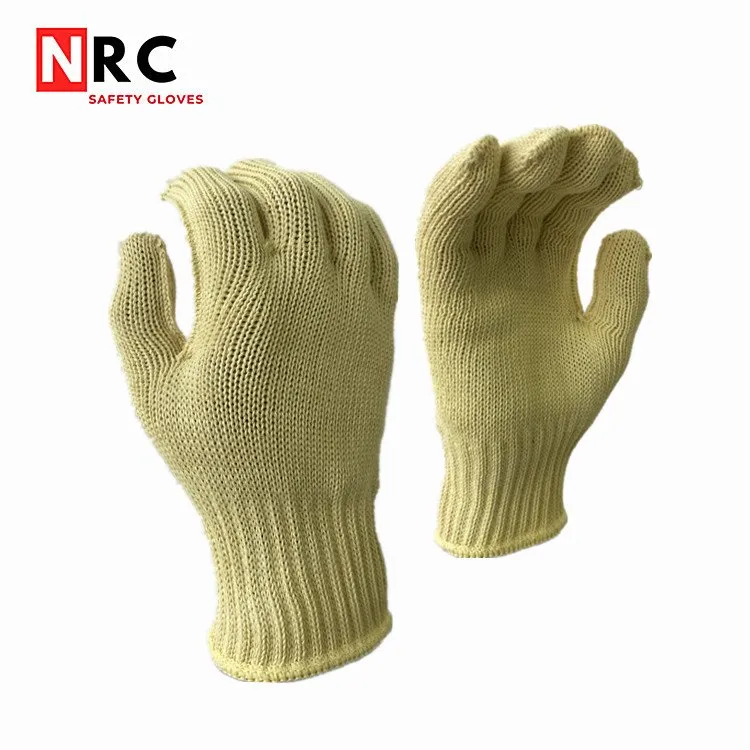

Typical Weight Ranges of Aramid Fiber Cut Resistant Gloves
The weight of aramid fiber cut resistant gloves can vary widely depending on the factors mentioned above. On average, a basic aramid fiber cut resistant glove designed for light - to - medium - duty tasks may weigh between 50 grams and 100 grams per glove. These gloves are often used in industries where dexterity is crucial, such as the food processing or packaging industries.
For medium - to - heavy - duty applications, such as automotive manufacturing or glass handling, the weight of the gloves can range from 100 grams to 200 grams per glove. These gloves typically have additional layers of protection and are designed to withstand more rigorous use.
In heavy - duty industrial settings, such as mining or construction, where maximum cut resistance and durability are required, aramid fiber cut resistant gloves can weigh over 200 grams per glove. These gloves may have multiple layers of aramid fiber, reinforced palms, and additional protective features.
Balancing Weight and Protection
As a supplier, we understand the importance of balancing weight and protection in our Aramid Fiber Cut Resistant Gloves. We use advanced manufacturing techniques and high - quality materials to ensure that our gloves provide the necessary level of protection without being overly heavy.
For example, our Split Leather Palm Aramid Knit Liner Cut Resistant Glove combines the cut - resistant properties of aramid fibers with the durability and grip of split leather palms. The design is optimized to reduce weight while still providing excellent protection for the hands. The aramid knit liner is lightweight and flexible, allowing for maximum dexterity, while the split leather palm adds an extra layer of protection in the areas most prone to wear and tear.
In addition, we offer a range of glove styles and sizes to meet the diverse needs of our customers. Whether you need a lightweight glove for precision work or a heavy - duty glove for tough industrial applications, we have the right solution for you.
Impact of Weight on User Comfort and Performance
User comfort is directly related to the weight of the gloves. When gloves are too heavy, users may experience fatigue, reduced blood circulation, and even hand cramps over time. This can lead to decreased productivity and an increased risk of accidents in the workplace.
On the other hand, lightweight gloves can improve user performance by allowing for greater dexterity and faster movement. Workers can perform tasks more efficiently and with greater precision, which can ultimately lead to higher quality work and increased productivity.
Other Considerations Related to Glove Weight
It's important to note that the weight of the gloves is not the only factor to consider when choosing the right pair. Other factors, such as cut resistance level, grip, breathability, and durability, also play a crucial role in the overall performance of the gloves.
For example, a lightweight glove may be comfortable to wear, but if it does not provide adequate cut resistance, it will not be suitable for high - risk applications. Similarly, a glove with excellent cut resistance may be too heavy and uncomfortable to wear for long periods, which can also affect its usability.
The Role of Technology in Reducing Glove Weight
Advancements in materials science and manufacturing technology have enabled us to produce aramid fiber cut resistant gloves that are lighter without sacrificing protection. Newer aramid fiber blends are being developed that offer higher strength - to - weight ratios, allowing us to use less material while still achieving the same level of cut resistance.
In addition, innovative manufacturing techniques, such as laser cutting and seamless knitting, can reduce the amount of excess material and weight in the gloves. These technologies also improve the overall fit and comfort of the gloves, making them more user - friendly.
Conclusion
The weight of aramid fiber cut resistant gloves is an important consideration that can significantly impact user comfort, dexterity, and performance. As a supplier, we are committed to providing our customers with high - quality gloves that strike the right balance between weight and protection. Whether you are in the market for Fire resistant gloves for a high - heat environment or lightweight gloves for precision work, we have a wide range of options to meet your needs.
If you are interested in learning more about our aramid fiber cut resistant gloves or would like to discuss your specific requirements, please feel free to contact us. We look forward to the opportunity to work with you and provide you with the best hand protection solutions for your industry.
References
- ASTM International. "Standard Test Methods for Measuring Cut Resistance of Materials Used in Protective Clothing." ASTM F1790.
- European Committee for Standardization. "Personal Protective Equipment - Gloves Against Mechanical Risks." EN 388.
Send Inquiry