

Team Roping Gloves: Sourcing Challenges & Industry Guide for Western Gear Distributors
Nov 12, 2026
Leave a message
If you stock western riding, rodeo and roping supplies for tack shops, online western marketplaces or regional rodeo distributors, team roping gloves represent a repeat-purchase, high-turnover SKU - yet they carry a unique set of sourcing headaches that separate casual work gloves from competition-grade roping gear. Many new importers treat roping gloves as a simple variant of general work gloves, only to face fast wear, poor grip control, inconsistent sizing and steady complaint volumes from headers and heelers. This guide breaks down core product knowledge, recurring wholesaler pain points, and practical benchmarks you can use to evaluate suppliers and stabilise your inventory for the rodeo market.
Team roping places very specific mechanical stress on gloves that ordinary equestrian or gardening gloves cannot withstand. During runs, athletes catch heavy nylon or poly ropes at speed; friction builds instantly across the palm, base of the fingers and the thumb crotch. This is the highest-friction zone, and it is where low-cost gloves fail first. Many budget imports use thin, single-layer knit with only a thin printed grip coating. After a handful of practice sessions, the surface rubs away, leaving raw spots and blisters for riders. Serious competitors will reject these products quickly, and once a tack shop loses trust in a glove line, it is hard to recover that B2B account.
The biggest product decision you will face as a buyer is the construction and reinforcement layout. Most professional-grade team roping gloves use seamless knit bases blended with HPPE or aramid fibre, paired with targeted palm reinforcement rather than full heavy coating. Full coverage rubber or thick silicone coating may look grippy in photos, but it traps heat, stiffens the hand and reduces the fine control riders need to release the rope cleanly. Competitors rely on tactile feedback; they need enough grip to hold the rope under sudden load, but not so much that the rope sticks and throws off their timing. High-quality designs add reinforced patches over the palm heel and thumb saddle, using high-density synthetic leather or heavy-duty transfer film. This targeted reinforcement keeps the back of the hand lightweight and breathable, a feature that separates top-selling SKUs from bulky all-coat alternatives.
Sizing and cut are another hidden pain point. Rodeo athletes often wear gloves for hours of practice, and many prefer a snug, second-skin fit. If sizing runs large, the material bunches up when the rope pulls; if it runs small, seams split across the thumb crotch, the most stressed seam on the whole glove. Many factories use generic hand patterns designed for warehouse work gloves. Those patterns have wider palms and shorter fingers that do not match the way ropers grip and release rope. For consistent sales, you need suppliers that build patterns specifically for roping use, with tapered fingers and a deeper thumb gusset. When ordering bulk, it is wise to test sizing on both male and female rider samples, as women's roping segments are growing steadily and often overlooked by mass production lines.
Grip formulation and coating durability deserve close scrutiny. Two common grip styles dominate this market: micro-dot coating and textured transfer grip. Micro dots offer reliable slip resistance without locking up the rope, and they are the preferred choice for most competitive ropers. The risk comes with low-quality coatings that peel, crack or turn sticky after exposure to sweat, sunscreen and field dust. Some cheap formulations soften in high heat, picking up dirt and turning slippery instead of grippy. Reputable suppliers cure the grip layer properly and test for abrasion cycles. For your catalog messaging, it helps to distinguish between "grip for rope control" and "heavy non-slip grip", because many DIY buyers mistakenly expect the same grip performance they would get on BBQ or vinyl-wrap gloves.
Certification and market positioning also vary by sales channel. For European western and rodeo retailers, EN388 mechanical rating is expected, especially for gloves marketed as abrasion and cut resistant. Most premium roping gloves land at abrasion level 3 or 4, which is the sweet spot for rope friction without overengineering the product. US domestic rodeo supply buyers often prioritise field performance lab results over formal lab certification, though many larger retail chains now request test records for liability coverage. One common trap: suppliers reuse EN388 certificates from different glove models. Always confirm that test samples match the exact knit blend, reinforcement patch and grip coating you are ordering.
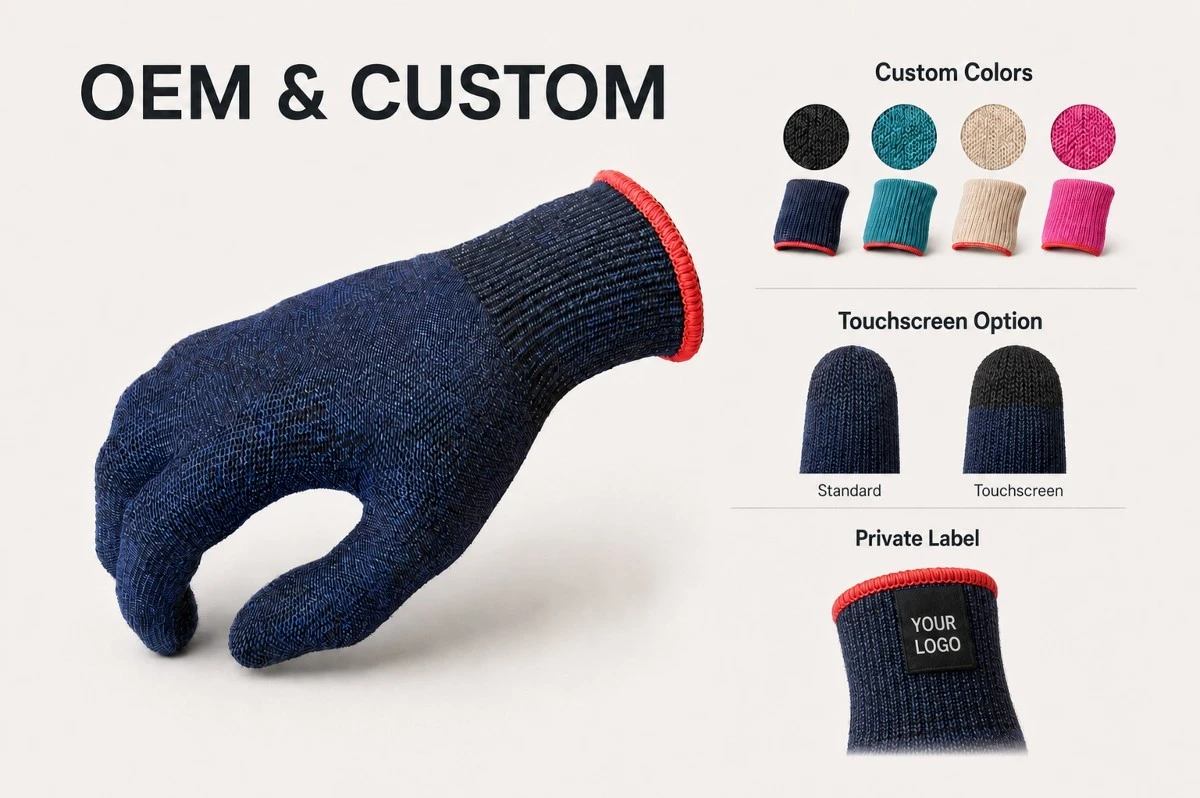
Seasonality and customer segmentation shape your stocking mix. Competition seasons drive major ordering spikes, while year-round practice demand creates steady replenishment. The market splits clearly into three tiers. Entry-level SKUs target casual weekend ropers and youth rodeo programs, prioritising low unit price and basic abrasion protection. Mid-range styles serve regular practice riders, with reinforced palms and consistent sizing. Top-tier competition gloves are built for professional headers and heelers, with lightweight low-bulk construction, precise grip and longer wear life. Private label demand is strong among western brand owners, rodeo associations and tack store chains. Custom options include woven labels, branded hang tags, custom colourways and printed logos on the glove back. The main frustration for private label buyers is inconsistent MOQ communication; many factories reserve their best knit lines for large stock orders and rush custom runs using leftover material.
Your pre-shipment QC checklist should focus on failure modes specific to roping use: thumb-crotch seam strength, grip adhesion under repeated rope friction, patch delamination, sizing variance and thread shedding. A simple field test is to run the glove through repeated rope pulls under load; this will reveal peeling grip or weak reinforcement long before the gloves reach your customers. Many distributors only inspect for obvious defects and miss these performance failures, which show up only after actual roping use.
A frequent sourcing mistake is trying to cross-sell cut-resistant work gloves as roping gloves. Warehouse gloves are usually stiffer, heavier and built for carrying sharp metal, not fast rope release. Conversely, pure leather roping mitts are popular but suffer from high cost, slow break-in and poor washability. Knit blended team roping gloves fill a profitable middle niche: lighter, washable, faster to break in and easier to offer across a full size range. Positioning them alongside rope, spur straps, riding gloves and protective wrist gear helps lift cart value for your western retail clients.
If you are expanding your western and rodeo protective glove lineup, partnering with a manufacturer familiar with team roping performance requirements reduces return rates. We supply abrasion-resistant team roping gloves with targeted palm reinforcement, maintain core sizes in ready stock, and offer private label service with clear MOQ and lead time. Contact us for samples and a full spec sheet for your western gear catalog.
FAQ
Q1: What makes team roping gloves different from regular riding gloves?
A: Team roping gloves focus heavily on controlled friction and targeted palm reinforcement. Normal riding gloves are built for holding reins, while roping gloves must withstand sudden, high-load rope pulls while preserving the ability to release cleanly.
Q2: Should I stock coated or uncoated roping gloves?
A: Most steady-selling styles use partial micro-dot grip only on the palm and finger pads. Full heavy coating reduces rope release control and traps sweat, which is unpopular with competitive ropers.
Q3: What abrasion rating works best for team roping?
A: EN388 abrasion level 3 to 4 fits most practice and competition use. Higher abrasion ratings often come with added stiffness that hurts rider control.
Q4: Can I order private label team roping gloves?
A: Yes. Custom woven labels, hang tags, back-of-hand printing and custom colours are available. MOQ and lead time depend on whether you select existing knit bases or fully custom patterns.
Q5: Why do so many roping gloves tear at the thumb?
A: Most failures stem from weak gusset stitching or generic hand patterns not designed for rope grip. Prioritise styles with reinforced thumb crotch seams in your sampling phase.
Q6: Are these gloves washable?
A: Most seamless knit roping gloves can be hand washed on a gentle cycle. Harsh detergents and tumble drying will accelerate grip coating wear and reduce service life.
Send Inquiry