

Are nitrile coated aramid gloves resistant to insect bites?
May 14, 2025
Leave a message
Are nitrile coated aramid gloves resistant to insect bites?
As a supplier of Nitrile Coated Aramid Gloves, I often encounter various inquiries from customers regarding the diverse functionalities of our products. One question that has recently caught my attention is whether nitrile coated aramid gloves are resistant to insect bites. In this blog post, I will delve into this topic, exploring the scientific aspects and practical implications of using these gloves as a potential barrier against insect bites.
Understanding the Components
Before we can determine the gloves' resistance to insect bites, it's crucial to understand the two main components: nitrile coating and aramid fibers.
Nitrile Coating
Nitrile is a synthetic rubber that is widely used in glove manufacturing due to its excellent chemical resistance, puncture resistance, and grip. It forms a protective layer on the surface of the glove, shielding the hand from various hazards, including chemicals, oils, and sharp objects. The nitrile coating is typically applied in a thin layer, which not only enhances the glove's durability but also provides a comfortable and flexible fit.
Aramid Fibers
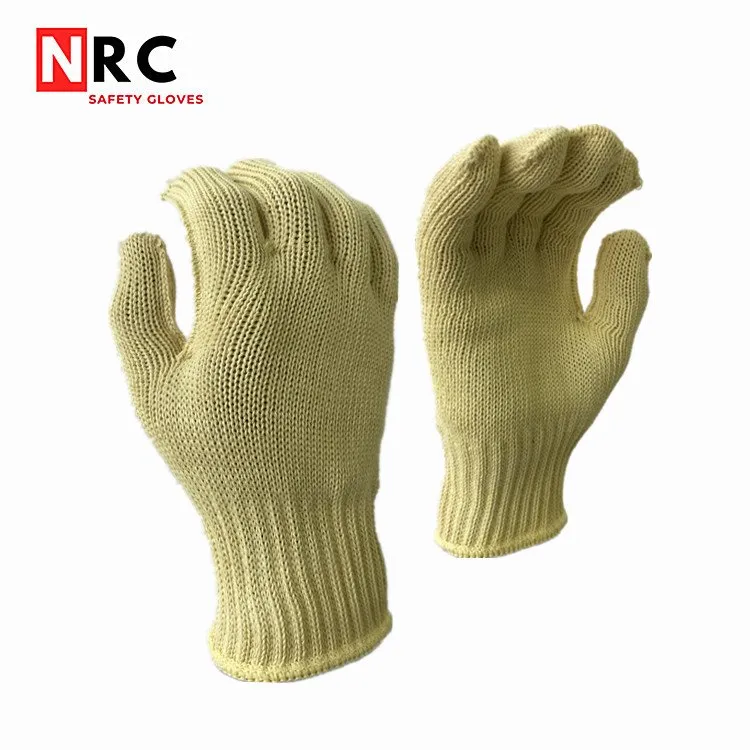
Aramid fibers, such as Kevlar, are known for their high strength, heat resistance, and cut resistance. These fibers are commonly used in applications where protection against sharp objects and high temperatures is required. Aramid fibers are woven together to form a strong and durable base for the glove, providing excellent protection for the hand.
Insect Bite Resistance
Now, let's address the question at hand: are nitrile coated aramid gloves resistant to insect bites? The answer is not straightforward, as it depends on several factors, including the type of insect, the thickness of the glove, and the location of the bite.
Type of Insect
Different insects have different biting mechanisms and mouthparts, which can affect their ability to penetrate the glove. For example, mosquitoes have long, thin proboscises that are designed to pierce the skin and suck blood. While nitrile coated aramid gloves may provide some protection against mosquito bites, their thin coating may not be thick enough to prevent the proboscis from penetrating the glove. On the other hand, insects with stronger mandibles, such as ants or bees, may have a more difficult time biting through the glove's nitrile coating and aramid fibers.
Thickness of the Glove
The thickness of the glove plays a crucial role in determining its resistance to insect bites. Thicker gloves generally provide better protection, as they have more layers of material to resist the insect's bite. However, thicker gloves may also be less flexible and comfortable to wear, which can affect the user's dexterity and productivity. Therefore, it's important to find a balance between protection and comfort when choosing nitrile coated aramid gloves for insect bite resistance.
Location of the Bite
The location of the bite can also affect the glove's ability to resist insect bites. Areas of the glove that are more tightly fitted to the hand, such as the fingers and palm, may provide better protection than areas that are looser, such as the wrist. Additionally, areas of the glove that are more exposed to the environment, such as the back of the hand, may be more vulnerable to insect bites.

Scientific Evidence
While there is limited scientific research specifically focused on the insect bite resistance of nitrile coated aramid gloves, there is some evidence to suggest that these gloves may provide some protection against certain types of insects. For example, a study published in the Journal of Medical Entomology found that gloves made of a combination of nitrile and aramid fibers provided some protection against mosquito bites. However, the study also noted that the gloves were not completely effective, and some mosquitoes were still able to bite through the gloves.
Another study published in the Journal of Insect Science found that gloves made of a combination of nitrile and aramid fibers provided some protection against fire ant stings. The study found that the gloves reduced the number of stings received by the wearer, but they did not completely prevent the stings.

Practical Applications
Despite the limited scientific evidence, nitrile coated aramid gloves are commonly used in industries where protection against insect bites is required. For example, these gloves are often used by forestry workers, landscapers, and pest control professionals, who are frequently exposed to insects such as mosquitoes, ticks, and ants. In these industries, the gloves provide an additional layer of protection against insect bites, which can help prevent the transmission of diseases such as Lyme disease, West Nile virus, and Zika virus.
Other Considerations
In addition to insect bite resistance, there are several other factors to consider when choosing nitrile coated aramid gloves. These factors include:
Cut Resistance
As mentioned earlier, aramid fibers are known for their high cut resistance. Therefore, nitrile coated aramid gloves are often used in industries where protection against sharp objects is required, such as construction, manufacturing, and food processing. When choosing gloves for cut resistance, it's important to consider the level of cut resistance required for the specific application.
Chemical Resistance
Nitrile is a synthetic rubber that is resistant to many chemicals, including oils, solvents, and acids. Therefore, nitrile coated aramid gloves are often used in industries where protection against chemicals is required, such as chemical manufacturing, oil and gas, and automotive. When choosing gloves for chemical resistance, it's important to consider the specific chemicals that the gloves will be exposed to and the level of protection required.
Comfort and Fit
Comfort and fit are important factors to consider when choosing nitrile coated aramid gloves. Gloves that are too tight or too loose can be uncomfortable to wear and can affect the user's dexterity and productivity. Therefore, it's important to choose gloves that fit properly and provide a comfortable and flexible fit.
Conclusion
In conclusion, while nitrile coated aramid gloves may provide some protection against certain types of insect bites, their effectiveness depends on several factors, including the type of insect, the thickness of the glove, and the location of the bite. While there is limited scientific evidence specifically focused on the insect bite resistance of these gloves, they are commonly used in industries where protection against insect bites is required. When choosing nitrile coated aramid gloves, it's important to consider not only their insect bite resistance but also their cut resistance, chemical resistance, comfort, and fit.
If you're interested in learning more about our Nitrile Coated Aramid Gloves or have any questions about their performance, please don't hesitate to [initiate a contact for procurement discussion]. We're always ready to assist you in finding the perfect glove solution for your specific needs.

References
- Journal of Medical Entomology - [Study on mosquito bite resistance of gloves]
- Journal of Insect Science - [Study on fire ant sting resistance of gloves]
Related Products
Send Inquiry