

How do Aramid Fire Retardant Gloves compare to synthetic fire - retardant gloves?
Dec 30, 2025
Leave a message
In the realm of personal protective equipment (PPE), fire - retardant gloves play a crucial role in safeguarding workers from the perils of high - temperature environments, flames, and molten substances. Two prominent types of fire - retardant gloves are aramid fire - retardant gloves and synthetic fire - retardant gloves. As a supplier of aramid fire - retardant gloves, I am well - versed in the features and differences between these two types of gloves, and I am eager to share this knowledge with you.
Aramid Fire Retardant Gloves: A Closer Look
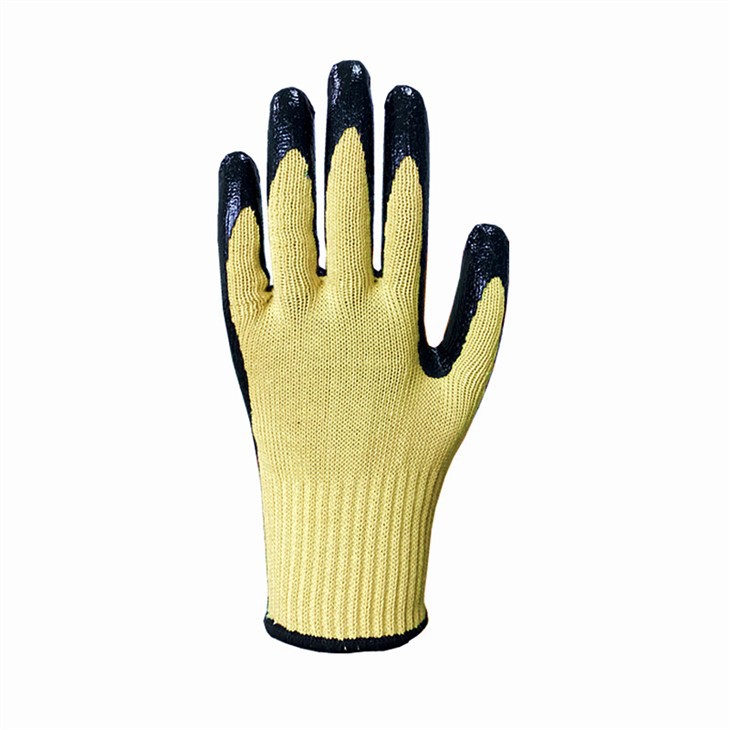
Aramid fibers are a class of strong and heat - resistant synthetic fibers. They are known for their high strength - to - weight ratio and excellent thermal stability. Aramid fire - retardant gloves are crafted from these remarkable fibers, which endow the gloves with several outstanding properties.
One of the most significant advantages of aramid fire - retardant gloves is their exceptional heat resistance. Aramid fibers can withstand extremely high temperatures without melting or dripping. This means that when workers are exposed to intense heat sources such as welding arcs, foundry operations, or furnace work, these gloves can provide reliable protection. For instance, in a welding environment, the gloves can prevent the transfer of heat to the hands, reducing the risk of burns and injuries.
In addition to heat resistance, aramid fire - retardant gloves also offer good cut resistance. The strong aramid fibers can resist cuts from sharp objects, making them suitable for applications where workers may encounter both fire hazards and sharp tools or materials. You can learn more about Fire Proof And Cut Resistant Gloves on our website.
Moreover, aramid gloves are relatively lightweight compared to some other types of fire - retardant gloves. This lightness allows for greater dexterity and flexibility, enabling workers to perform intricate tasks with ease. Workers can handle small parts, operate machinery controls, or perform delicate assembly work while still being protected by the gloves.
Synthetic Fire - Retardant Gloves: Their Characteristics
Synthetic fire - retardant gloves are made from various synthetic materials that are treated to be fire - resistant. These materials can include polymers and other chemical compounds designed to slow down or prevent the spread of fire.
One of the main advantages of synthetic fire - retardant gloves is their cost - effectiveness. Generally, they are more affordable than aramid fire - retardant gloves. This makes them an attractive option for companies with large workforces or those on a tight budget. For small - scale operations or industries where the fire risk is relatively low, synthetic fire - retardant gloves can provide a basic level of protection at a lower cost.
Synthetic fire - retardant gloves also come in a wide variety of styles and designs. Some are coated with special materials to enhance grip, while others are designed for specific applications such as handling hot pipes or working in electrical environments. You can explore our range of Heat protection gloves to see the different options available.
However, synthetic fire - retardant gloves may have some limitations. Their heat - resistant capabilities may not be as high as those of aramid gloves. In extremely high - temperature situations, they may degrade more quickly or offer less reliable protection. Also, in terms of cut resistance, they generally do not perform as well as aramid gloves. The synthetic materials may not be as strong as aramid fibers, making them more vulnerable to cuts and tears.
Performance Comparison in Different Environments
High - Temperature Environments
In high - temperature industrial settings such as steel mills and glass manufacturing plants, aramid fire - retardant gloves clearly have the upper hand. The aramid fibers can maintain their integrity at temperatures well above what synthetic gloves can withstand. For example, in a steel mill where workers are handling molten steel at temperatures over 1500°C, aramid gloves are more likely to provide long - lasting protection. Synthetic gloves may start to break down, release toxic fumes, or lose their protective properties under such extreme heat.
Cut - Prone Environments
When it comes to environments where there is a high risk of cuts, such as metal fabrication shops or recycling facilities, aramid fire - retardant gloves are the preferred choice. Their superior cut resistance ensures that workers' hands are protected from sharp edges of metal sheets, tools, or waste materials. Synthetic gloves may not be able to withstand the same level of cutting force, increasing the risk of hand injuries. You can find more details about Steel Cut And Heat Resistant Gloves on our website.
General Fire - Hazard Environments
In general fire - hazard environments like construction sites or electrical maintenance work, both types of gloves can be used, but the choice depends on the specific requirements. If the fire risk is relatively low and cost is a major concern, synthetic fire - retardant gloves can be a viable option. However, if there is a possibility of exposure to high - intensity fires or sharp objects, aramid gloves are recommended for their comprehensive protection.
Durability and Long - Term Use
Aramid fire - retardant gloves are known for their durability. The aramid fibers are resistant to abrasion, which means that the gloves can withstand repeated use and contact with rough surfaces without wearing out quickly. This long - term durability reduces the need for frequent glove replacements, saving costs in the long run. In contrast, synthetic fire - retardant gloves may wear out faster, especially in harsh working conditions. The synthetic materials may be more prone to abrasion and degradation over time.

Comfort and Ergonomics
Comfort is an important factor when it comes to workplace safety. Workers are more likely to wear gloves consistently if they are comfortable. Aramid fire - retardant gloves are often designed with ergonomics in mind. Their lightweight nature and flexibility allow for comfortable wear over long periods. The gloves can conform to the shape of the hand, reducing fatigue and improving dexterity. Synthetic gloves can also be comfortable, but some may be bulkier or less breathable, which can lead to discomfort and reduced productivity.
Making the Right Choice
When choosing between aramid fire - retardant gloves and synthetic fire - retardant gloves, several factors need to be considered. First, assess the level of fire and heat risk in the workplace. If the risk is high, aramid gloves are usually the better choice. Second, consider the cut - resistance requirements. If workers are likely to encounter sharp objects, aramid gloves offer superior protection. Third, take into account the budget. If cost is a major constraint, synthetic gloves may be a more practical option.
As a supplier of aramid fire - retardant gloves, I understand the importance of providing high - quality protective equipment. Our aramid gloves are designed to meet the most demanding safety standards, offering reliable protection in a variety of industrial environments. Whether you are in the manufacturing, construction, or energy sector, we can provide you with the right gloves to keep your workers safe.
If you are interested in learning more about our aramid fire - retardant gloves or would like to discuss your specific requirements, please feel free to contact us for procurement and negotiation. We are committed to providing you with the best solutions for your workplace safety needs.
References
- ASTM International. (2023). Standards for fire - retardant protective clothing and gloves.
- Occupational Safety and Health Administration (OSHA). (2023). Guidelines on personal protective equipment in high - risk environments.
- Textile Research Journal. (2022). Studies on the performance of aramid and synthetic fibers in fire - retardant applications.
Send Inquiry